
February 19, 2026. Welcome to the first Compass & Canvas newsletter, where I’ll be writing about painting and my creative process with nature.
There is a moment before a painting begins that I have never become tired of.
The canvas is white. The palette is fresh. The brushes are clean. Everything is possible, which means for a few suspended seconds, everything is also unknown.
I have been painting for decades. That fresh moment still arrives.
What I have learned is how to move through uncertainty with the brush in my hand. And to my amazement, the teacher who has served me best is not another painter or a technique.
Painting the sea has been my greatest lesson.
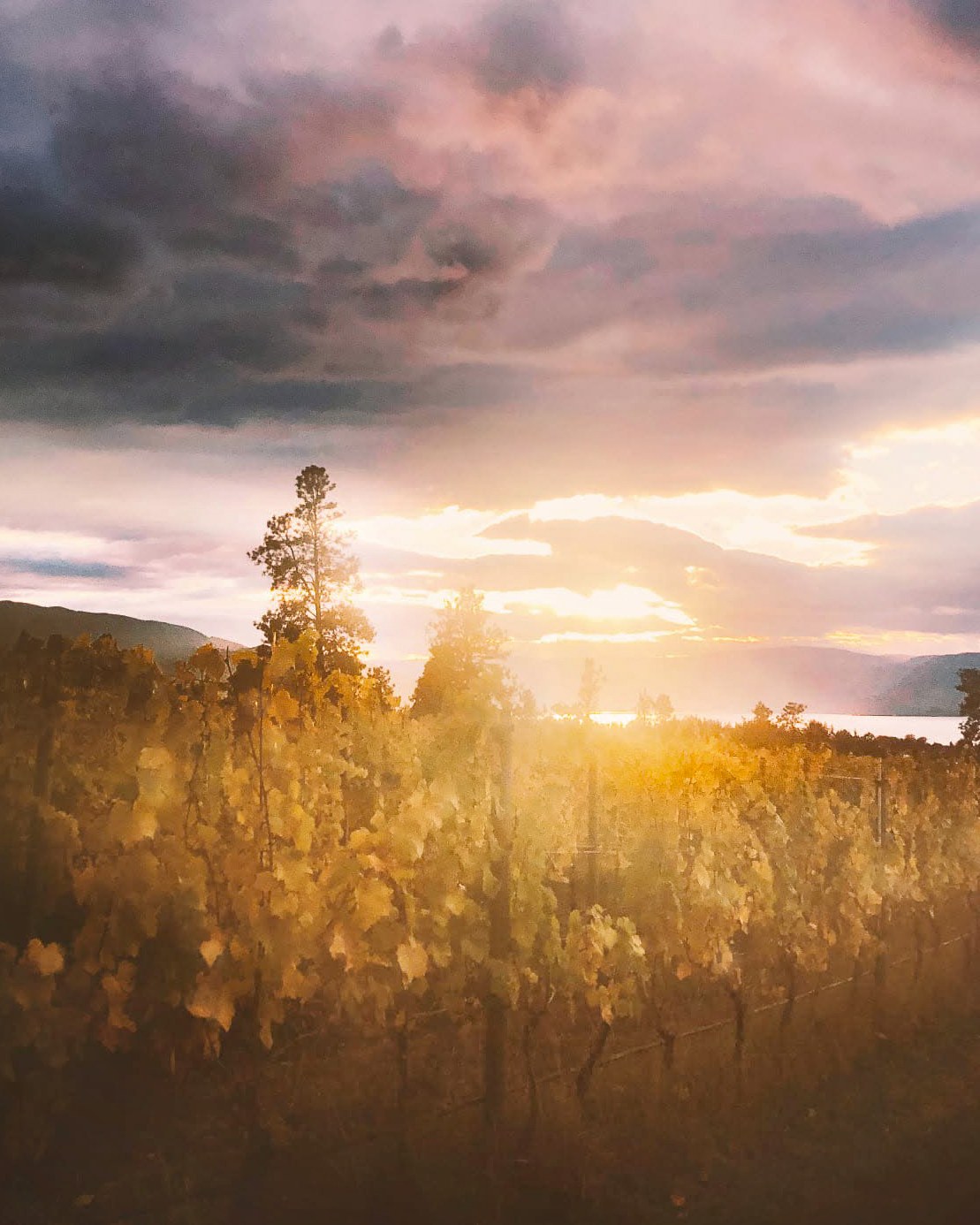
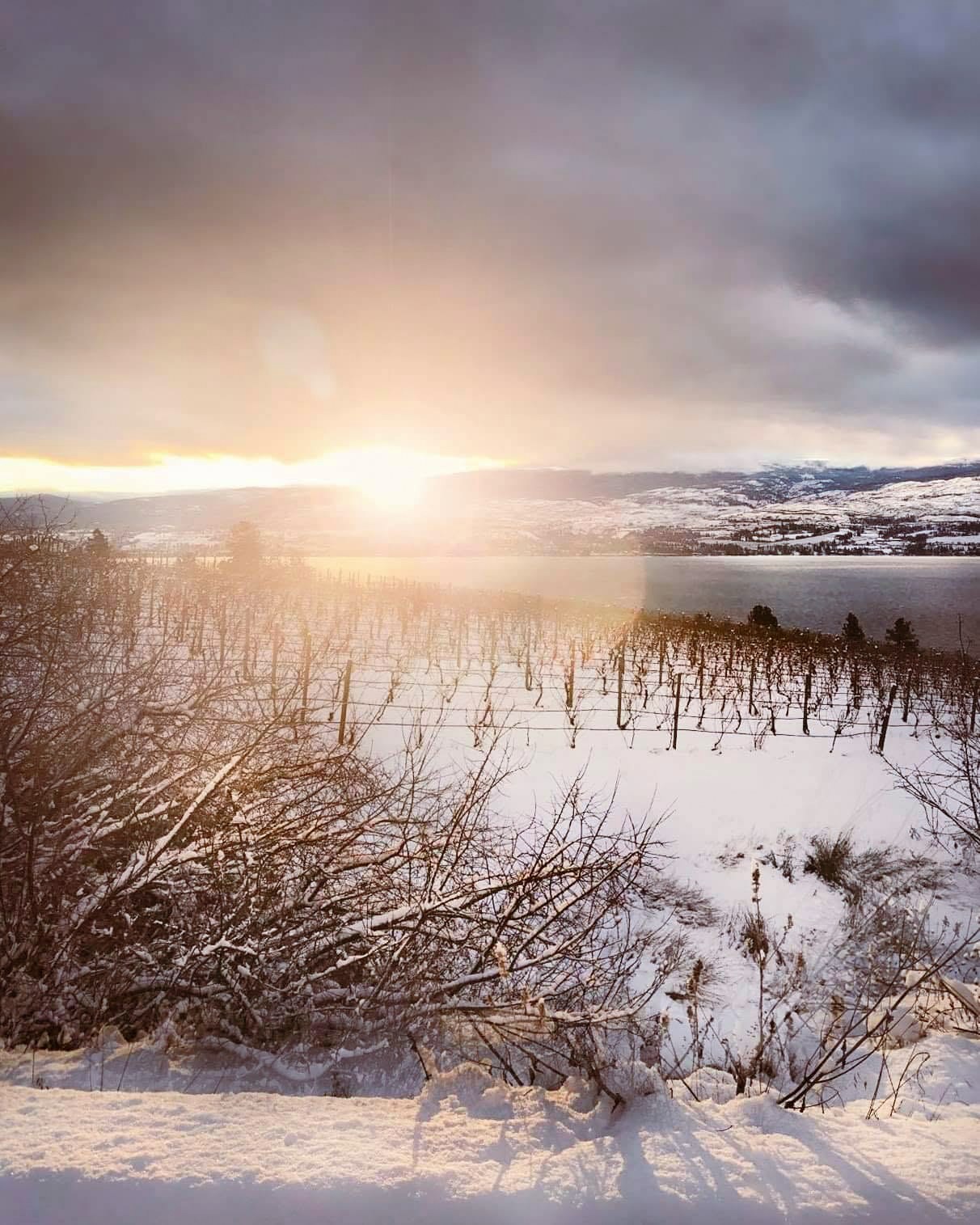
I grew up watching the Pacific Ocean. The coast of British Columbia has a specific quality of light. It can be cold and silver in the mornings, then suddenly warm and amber as the afternoon shifts. The water is always changing, deepening into velvet purples of dusk. The horizon holds itself steady while everything in front of it is in motion, constantly renegotiating colour and form.
I noticed something one morning standing at the water’s edge. The sea does not deliberate about where to begin. It simply moves. Each wave is a full commitment. It gathers itself, travels its entire distance, and meets the shore completely. There is no halfway wave. There is no wave that pauses mid-journey to reconsider.
I brought that understanding back to the canvas.
Seek art and abstraction in nature by dreaming in the presence of it.
Paul Gauguin
This can be read as an instruction to go outside and observe. Then, return to the studio and paint what you saw. But the longer I paint, the more I think he meant something closer to surrender. To dream in the presence of nature is not to study it. It is to let it move through you until you are no longer thinking about beginning. You have already begun with an authentic response.
My process isn’t overly concerned with being careful. I don’t plan a painting the way an architect plans a building. I approach the canvas the way I approach the shoreline. I offer my attention. I take courage in curiosity. I make space for the unexpected.
Some paintings take an hour. Some take many hours across many days, each session a different conversation with the same surface. There are mornings I arrive at the studio certain of what I want to do, and the painting disagrees with me by noon. I have learned to listen to that disagreement.
The unforeseen moments are not interruptions to the work. They are the work.
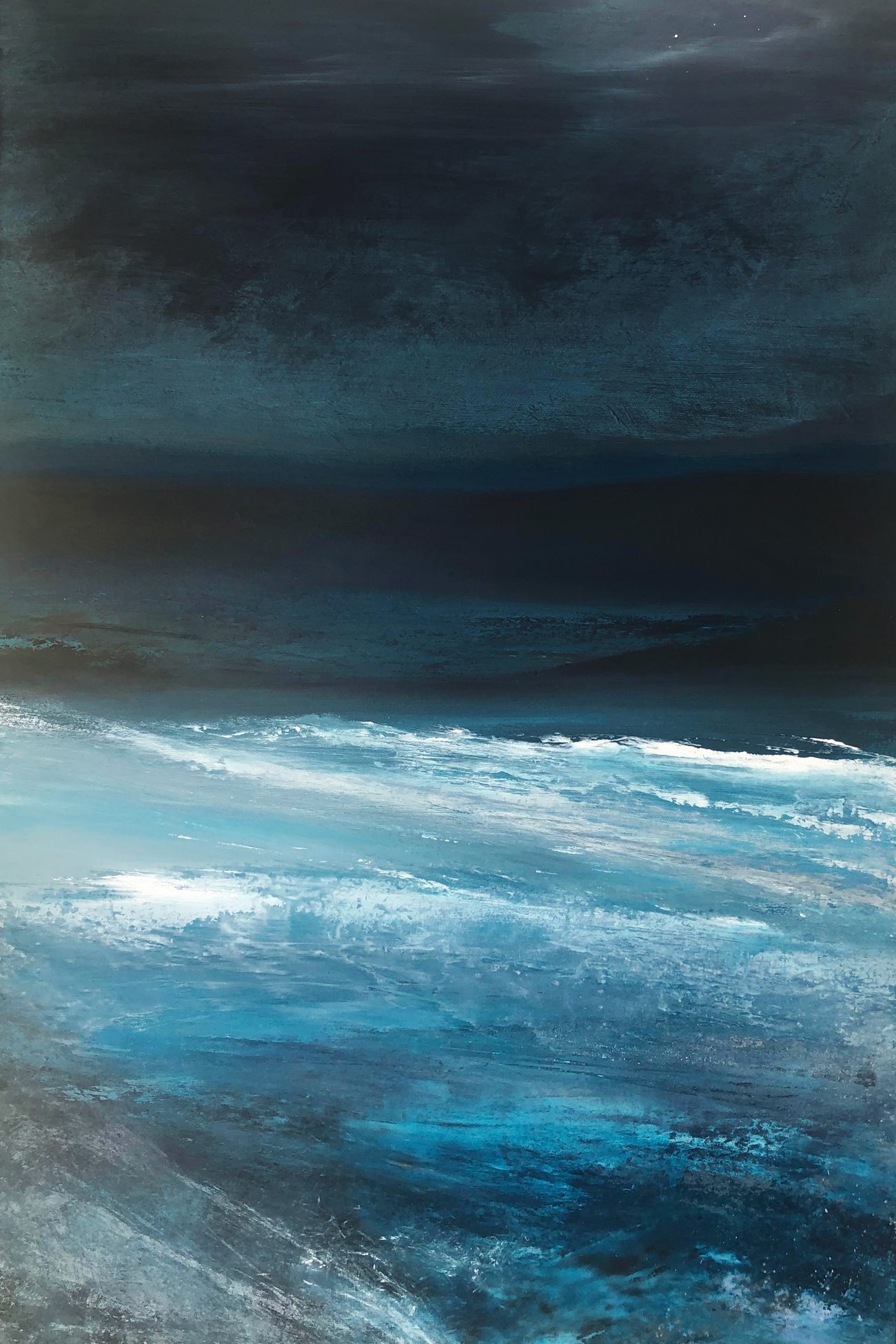
This is what I mean when I say I am not a realist painter. I’m not trying to reproduce the arbutus tree at the edge of the bluff, or the exact colour of the water on a November afternoon. I try to record an experience. I tune in to the feeling of standing in that light, the quality of attention that the Pacific demands of you when you are genuinely present with it. The painting is an impression, in the truest sense of the word. Something that pressed itself into me, and that I am pressing back out again in turns of the wrist.
When I teach painting workshops, the question I hear most often, in different words, from a kaleidoscope of people, at different stages of their practice, is some version of:
How do I start?
My answer is always the same. You start the way the wave starts. You commit to the motion before you know where it will take you. The canvas will meet you. The painting already exists somewhere in the encounter between your hand and the surface and the light in the room. Your only task is to respond. Keep paying attention to what is happening between you and the work.
The sea does not wait for perfect conditions. Neither do I.
There is a painting on my easel right now that I began three weeks ago and have returned to six times. Each session, I think I know what it needs. Each session, it tells me something different.
This morning I mixed a colour I have never mixed before. It’s a bluish grey like the colours of beach stones in February, when pale yellow light hits them from the light-charcoal, sparkling afternoon clouds. When I put it down, I understood for the first time what the painting was trying to become.
I did not plan that colour. I arrived at it by staying in the conversation long enough for it to reveal itself.
That is the essence of an afternoon painting in the Hollow (my Arbutus St. studio). Stay in the exchange.
The sea has been trying to teach us this for a very long time.
Next time, I’ll be writing about Community Canvas, a drop-in painting space I’m initiating this spring at the opening of Arbutus Neighbourhood House, and what happens when strangers pick up a brush together for the first time.